Climate proofing of properties: Legislation, risk assessment and strategic action

Published
Subject
Knowledge
Climate change is increasing the pressure on Danish properties, and new regulatory requirements from both the EU, the state, and financial institutions make climate proofing an unavoidable strategic focus area.
Upsite, in collaboration with Transition, has prepared a whitepaper: "Climate proofing of properties: Legislation, risk assessment, and strategic action", which provides a comprehensive overview of risks, legislation, and action measures that can strengthen the property's resilience and ensure long-term value.
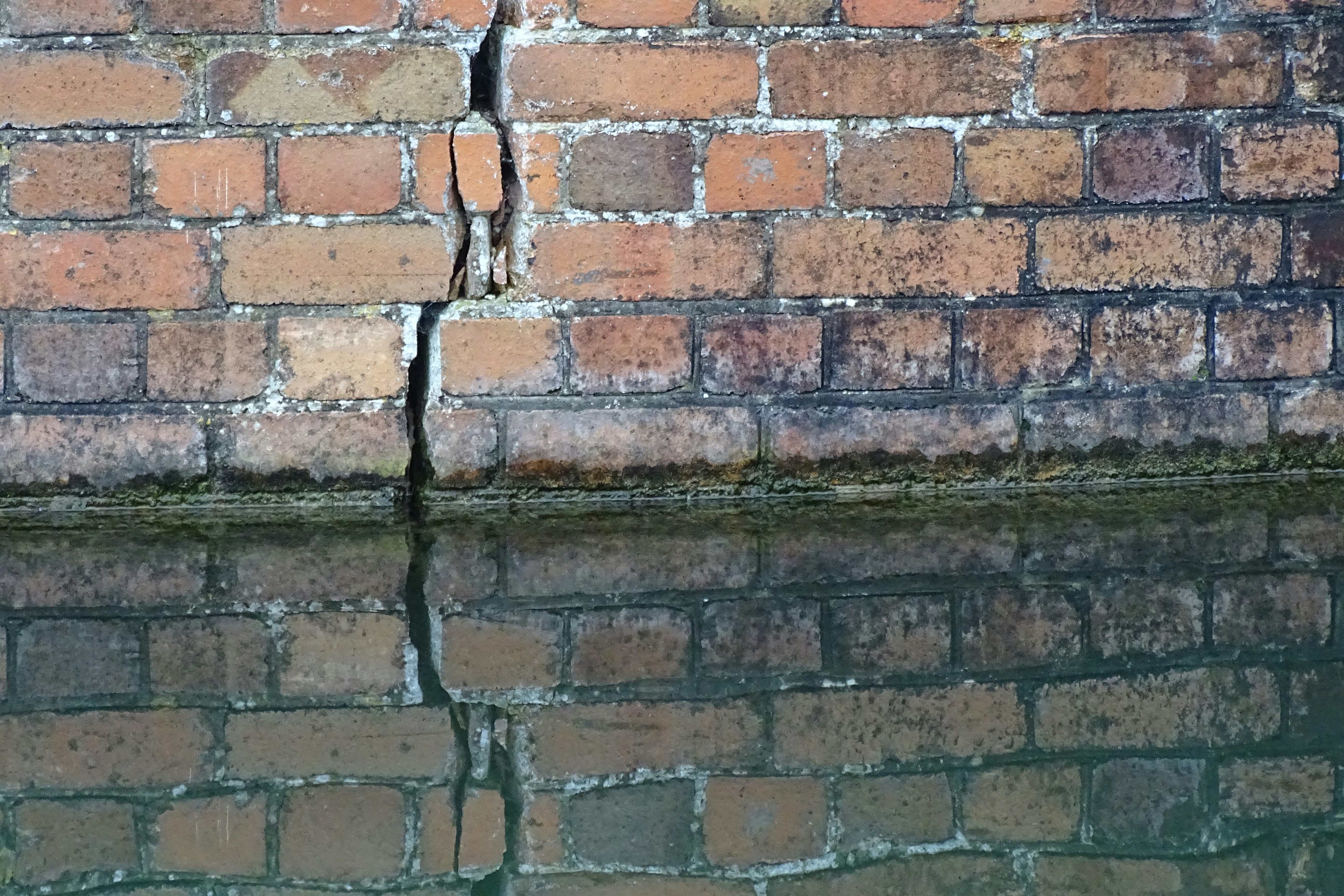
Water is Denmark's greatest climate threat
We are facing significant climate changes that create new and more complex risks for both existing properties and future investments. While other countries experience heatwaves, droughts, and fires, in Denmark it is particularly water that challenges our buildings and cities. Cloudbursts, storm surges, and rising groundwater are no longer rare 100-year events, but are developing into a persistent and systematic threat that property owners must actively address.
With today's weather patterns, we see changes that historically we have not always been aware of. These are changes that shape present-day and especially future construction and measures on existing properties, says Søren Schødt, founder of Upsite in the whitepaper.
Stricter requirements for building owners
At the same time, the requirements for building owners to document their properties' resilience to climate change are being tightened. These requirements come not only from EU legislation, but also from national authorities, municipal planning tools, and increasingly from banks and investors who integrate climate risks into their credit and investment assessments.
We are now also seeing insurance companies and other financial institutions begin to make similar demands because climate risks affect premiums, coverage, and long-term value retention. This makes climate proofing a necessary parameter in operations, financing, and transactions alike.
New rules and legislation place demands on the preparation of climate risk assessment and climate proofing. The new requirements will be a success if they contribute to an increased focus on maintenance and climate adaptation of our existing buildings in general, elaborates Magnus Schrøder Pedersen, Head of Circularity in Buildings at Transition.
Climate proofing is about more than protecting assets
For property owners and investors, climate proofing is not just about protecting physical assets. It is increasingly a prerequisite for compliance and for meeting expectations from investors, lenders, and society. At the same time, it holds significant opportunities to strengthen resilience, reduce future costs, and create added value through strategic adaptation.
Value can already be created during the preparation of a climate risk screening. Next, a climate risk analysis, which results in a series of recommendations for possible climate proofing measures. The good climate adaptation solutions are holistic and robust, often covering a larger contiguous geographical area. This ensures that you do not solely handle e.g. precipitation on your own property by sending it onward to the neighbouring property, says Magnus Schrøder Pedersen, Head of Circularity in Buildings at Transition.
If you want an in-depth overview of legislation, risk assessment tools, and strategic measures that can strengthen the climate resilience of properties, you can download the entire whitepaper and gain concrete insight into how best to prepare your properties for future climate requirements.
Download: "Climate proofing of properties: Legislation, risk assessment, and strategic action"